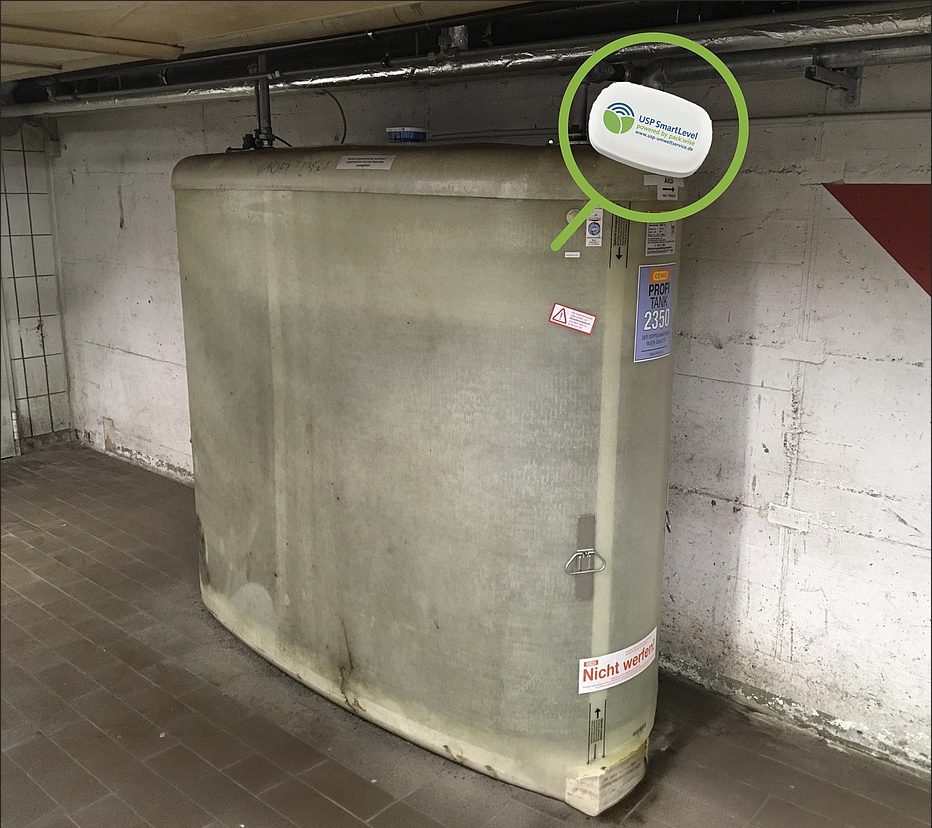
Rising diesel prices in Germany are putting increasing pressure on companies with their own vehicle fleets and regular deliveries. Especially when it comes to regular fuel level monitoring and refueling logistics, every additional trip can quickly become a significant cost factor.
We also encounter this problem in our daily interactions with our customers. More and more, the question arises of how to avoid unnecessary trips, plan deliveries better, and use existing transport capacity more efficiently.
The solution: better planning!
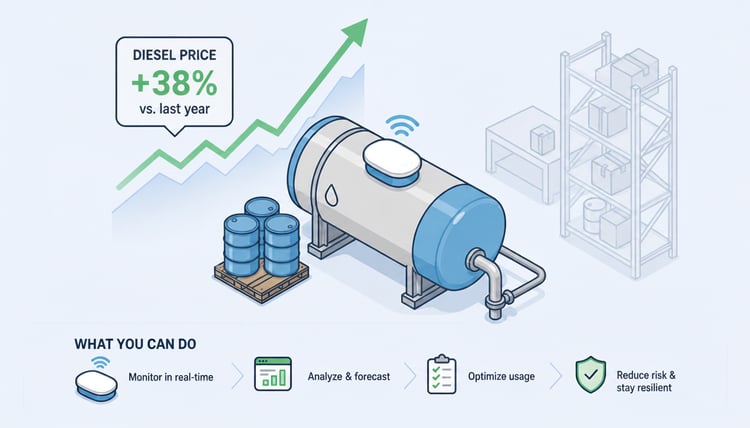
Why Diesel Prices are becoming a problem for Logistics
Changes in fuel prices have a direct impact on transportation costs. In addition to the pure cost of diesel for transportation, every additional trip incurs further costs: driver time, vehicle wear and tear, maintenance and tied-up transportation capacity. This raises a key question, especially for companies with many customers and regular delivery needs:
How can unnecessary trips be avoided?
Here’s an example: A supplier plans to pick up a stationary diesel tank from a customer. When he arrives, it turns out that the tank isn’t empty yet. The trip could possibly have been postponed or combined with another route.
More transparency, fewer unnecessary trips
To reduce transportation costs, it’s not enough to simply calculate the optimal route. The first crucial step is to know which trips are actually necessary. To do this, the following must be clarified:
- Which tanks are empty?
- Which customers need a refill?
- Which pickups can be combined?
- Where are the stationary diesel tanks located?
Without this information, dispatchers often have to rely on manual feedback, experience-based estimates, or safety stock levels. Digital data can provide a better foundation here.
Packwise Smart Cap: Digitally Monitor Diesel Tanks
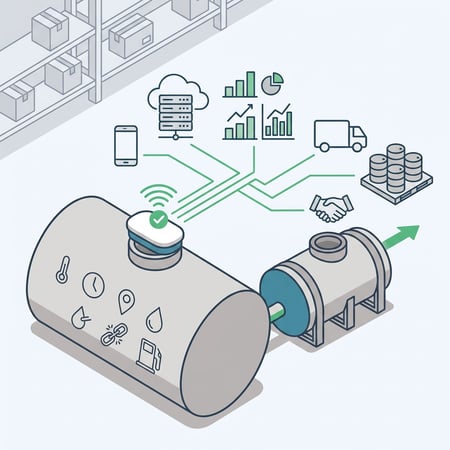
The Packwise Smart Cap makes stationary diesel tanks digitally visible. Among other things, the sensor tracks the tank’s fill level, location, and movement and automatically transmits the data. This allows companies to see where their diesel tanks are located and how the fuel levels at the customer’s site are changing. This creates transparency before a vehicle even sets out.
Packwise Flow: Data for Daily Logistics
Packwise Flow centralizes this information. This allows dispatchers to better track which containers require attention and where deliveries or pickups are scheduled.
Among other things, this supports:
- better delivery planning
- more efficient pickups
- fewer unnecessary trips
- better utilization of transport capacity
- the return of reusable containers
As a result, digital level monitoring can become a concrete lever for reducing logistics costs.
Route optimization begins before the route
Route optimization in logistics is often associated with determining the order in which a vehicle makes various stops. But even the most efficient route is worthless if a stop isn’t necessary in the first place. That’s precisely why companies should not only optimize their routes but also improve the information used to plan them.
This applies in particular, for example, to AdBlue suppliers, chemical manufacturers, waste management companies, and other businesses with many decentralized diesel tanks.
Fewer Trips, Better Planning
Companies cannot influence diesel price trends. However, they can influence how efficiently they organize their transportation processes. Those who know when a delivery or pickup is actually required can deploy their existing transportation capacity more effectively.
Packwise integrates digital fill-level data with operational processes to provide greater transparency and more efficient logistics.
After all, when diesel prices are high, it’s not just about how efficient a trip is—it’s also crucial to determine whether it’s necessary at all.
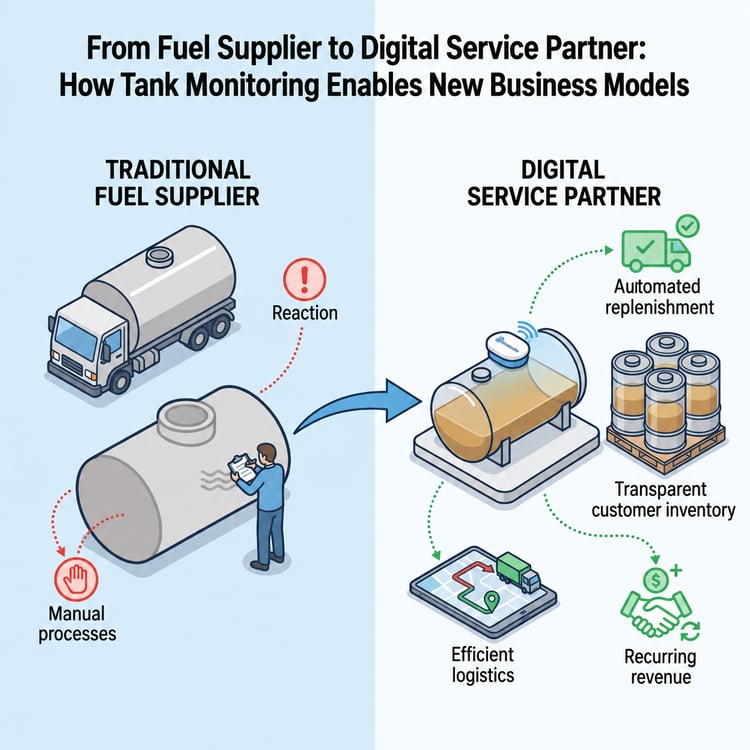
Would you like to monitor your stationary diesel tanks and avoid unnecessary costs? Schedule an appointment with our experts today and learn how Packwise can help you achieve this.